india
Voters increase by up to 3% in nine states, UTs in first update since SIR
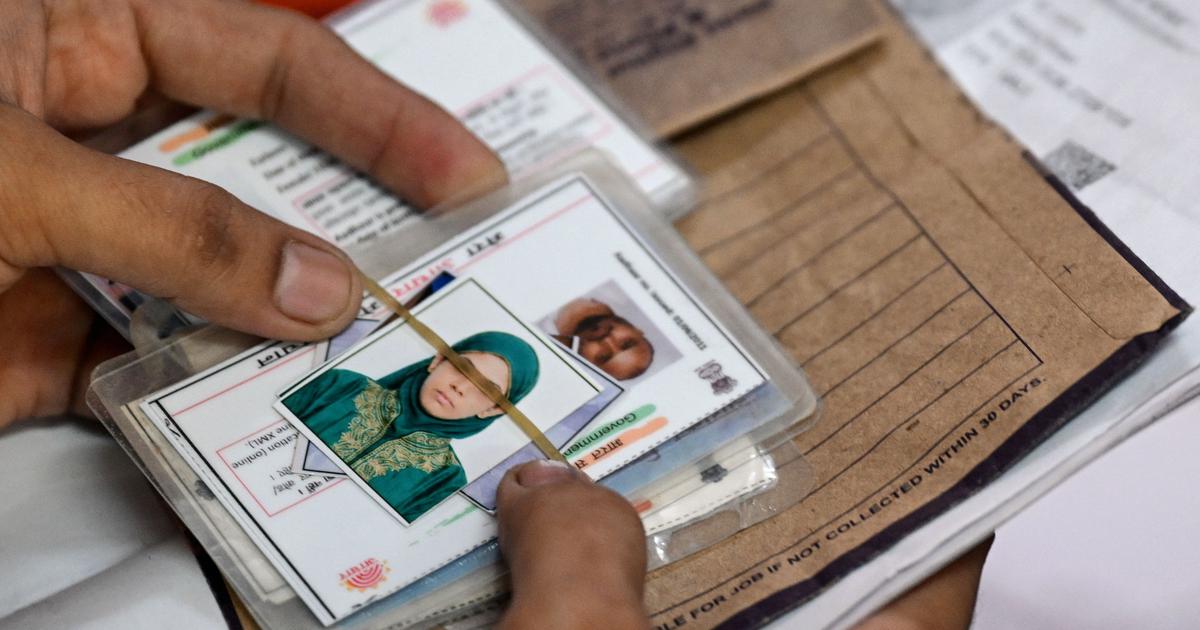
The enlargement of draft rolls during the special summary revision ranged from 0.1% to 3% compared with the final lists published after the SIR.
The number of voters increased by up to 3% in nine states and Union Territories in the first draft electoral rolls published after the special intensive revision, The Indian Express cited data released by the Election Commission on Thursday as having shown.
The data was released as part of the poll panel’s special summary revision of voter lists.
While the special summary revision involves updating the electoral rolls through additions and deletions, under the special intensive revision, voter lists are prepared afresh.
The annual special summary revision was paused after the 2024 Lok Sabha elections because of the special intensive revision, which began in 2025 and is underway in some states and Union Territories.
The increase ranged from 0.1% to 3% compared with the final electoral rolls published after the special intensive revision in nine states and Union Territories where SIR has completed, The Indian Express reported.
At 3%, Goa saw the highest rise followed by Rajasthan, which recorded a 2.2% increase.
Lakshadweep recorded a 0.1% increase in voters, followed by Puducherry 1.3%. Kerala and Madhya Pradesh each saw a rise of 1.5%, while Manipur recorded a 1.7% increase.
Bihar and Tamil Nadu reported increases of 1.8% each.
The special summary revision was held in 17 states and Union Territories in this phase. Comparable data for the eight other regions in this phase was either not available or the publication of their draft rolls had been postponed.
The states and Union Territories where data relating to the voter percentage increase was unavailable were Assam, Chhattisgarh, Gujarat, Punjab, Uttarakhand, West Bengal and Andaman and Nicobar Islands. Publication of the draft rolls in Uttar Pradesh was postponed to November 17.
In Kerala, the draft electoral roll recorded an increase of around 4 lakh voters after the special summary revision, taking the total to over 2.73 crore. However, the figure remains below the pre-special intensive revision count of 2.78 crore, the Hindustan Times reported.
Manipur added around 33,700 electors, taking its total to 19.9 lakh.
Goa recorded the addition of around 43,000 voters, while at least 11,000 names were deleted from the draft roll.
Rajasthan’s draft electoral roll lists around 5.2 crore voters, an increase of 2.2% over the final roll published after the special intensive revision.
Tamil Nadu’s voter count increased by around 10 lakh to 5.7 crore. However, it remains below the pre-special intensive revision count of 6.4 crore.
Bihar added around 13 lakh electors, taking its total to 7.5 crore.
Assam, where a special revision was conducted instead of the SIR, recorded a net addition of around 2.1 lakh electors, taking its total to around 2.5 crore. A special revision is similar to the usual updates to the electoral roll.
On September 24, The Economic Times reported that the poll panel had overshot its May-June announcement timeline for the annual revision because of a lack of consensus between Chief Election Commissioner Gyanesh Kumar and Election Commissioners Sukhbir Singh Sandhu and Vivek Joshi.
The newspaper reported that Sandhu and Joshi had been advocating for resuming the exercise, while Kumar sought legal opinion on it.
This had followed a September 23 investigation by The Indian Express that showed that Sandhu and Joshi had formally objected 14 times in 10 months to decisions by the poll panel related to the special intensive revision, saying some had been taken without their knowledge.
A contentious exercise
In 2025, the first phase of special intensive revision was conducted in Bihar. It was extended to 12 states and Union Territories in the second phase in late 2025 and the first half of 2026.
Since the exercise began, concerns have been raised that the revision could eliminate genuine voters from the rolls and even shape electoral outcomes, as Scroll has reported.
In May, the Supreme Court upheld the legality of the revision. But it said that the exercise does not mean that the Election Commission can decide on whether the person is an Indian citizen.
Despite this, Bharatiya Janata Party-ruled states have cited the SIR to deny ration cards to those who have been eliminated from the rolls. In some cases, the police have denied permission for their passports to be renewed.
Edited by Sara Varghese and Nachiket Deuskar.
We welcome your comments at letters@scroll.in.Source: Scroll.in
Own this text or image and want it removed? Send a removal (DMCA) request — we act on valid requests promptly.
View the original at scroll.in